



The day at Phpilipnagar village in Daulatpur upazila of Kushtia began like any other day. But within hours, an atmosphere of tension and fear took over—sparked by a video that spread rapidly on social media.
According to locals, the video allegedly showed a pir (Intellectual Guru), Shamim Reza Jahangir, making offensive remarks about religion. As the clip circulated, it quickly triggered outrage among sections of the community. Many claimed that religious sentiments had been hurt, and people began gathering in protest.
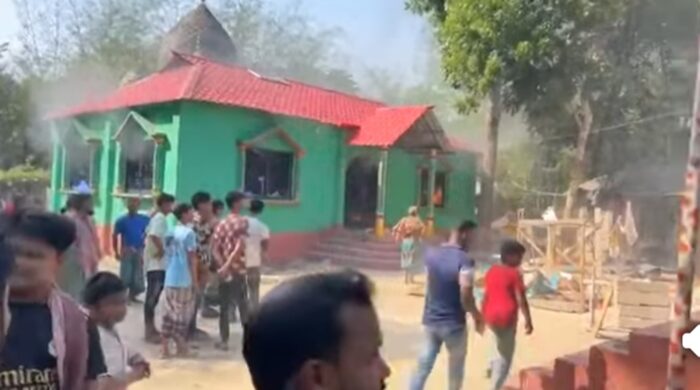
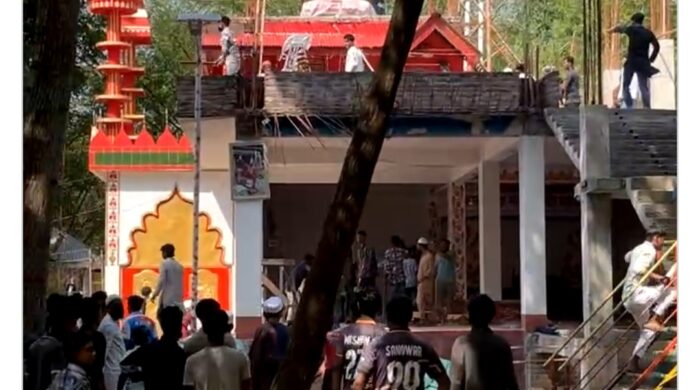
What started as anger soon escalated into violence. Eyewitnesses say that an agitated crowd marched toward the pir’s shrine. The situation spiraled out of control within a short time. The mob reportedly attacked him with sticks and sharp weapons, leaving him critically injured. He died on the spot.
The violence did not end there. The attackers vandalized the shrine and set parts of it on fire. Thick smoke engulfed the area, and panic spread among nearby residents, many of whom stayed indoors out of fear.
Law enforcement agencies arrived at the scene and eventually brought the situation under control. However, by then, the damage had been done—one life lost and a place of worship reduced to ruins.
In the aftermath, sharply divided opinions have emerged about the slain pir. His followers insist that he never made any blasphemous remarks. They argue that the viral video may have been distorted or taken out of context. “A man has lost his life because of misinformation and misunderstanding,” said one supporter.
On the other hand, a section of local residents presents a different narrative. They claim that Shamim Reza Jahangir had been a controversial figure for some time. According to them, his past statements had already drawn criticism, and there had been allegations against him before. The viral video, they say, reignited existing grievances.
These conflicting accounts have made the incident even more complex. On one side are claims of “blasphemy,” while on the other are assertions of “misinterpretation and rumor”—two opposing narratives now stand face to face.
Analysts say the incident highlights the dangerous consequences of unverified information spreading on social media. A single video—whose authenticity had not been confirmed—was enough to ignite deadly violence within hours.
Authorities have stated that an investigation is underway. Efforts are being made to verify the authenticity of the viral video, identify those involved in the attack, and uncover the full circumstances behind the incident.
Dr. Amanur Aman, Chairman of Sammilito Samajik Jote, a platform of Social-Volumteer Organusation opined that the Kushtia tragedy is not just a case of killing; it reflects a growing pattern of mob justice, where accusations are turned into verdicts without due process, and punishment is delivered through violence.