



The growing incidence of cat scratches and bites is now evident in Kushtia. Around 1,150 people who suffered bites or scratches from various animals received rabies vaccines at Kushtia General Hospital in last eight months.
Children are being bitten while playing with cats, while others are scratched or bitten after accidentally stepping on them. Some patients are even returning for rabies vaccination after repeated cat bites or scratches. The number of people seeking treatment for cat-related injuries now exceeds that of dog bites, increasing demand for rabies vaccines.
According to hospital data, 12,681 people who suffered animal bites or scratches received treatment and rabies vaccines at the 250-bed Kushtia General Hospital during the first eight months of this year. This amounts to an average of 1,585 people per month and 52 people per day seeking treatment after being bitten or scratched by animals. The number of patients reached 2,281 in August, the highest monthly figure during the first eight months of the year.
In January, 1,712 people received treatment and vaccines after suffering animal bites or scratches. The figures were 1,189 in February, 1,187 in March, 1,537 in April, 1,508 in May, 1,659 in June and 1,608 in July. In August, the number jumped to 2,281.
Concerned officials said these figures cover only Kushtia General Hospital. If data from the upazila health complexes across the district were included, the actual number of people affected by animal bites and scratches would be considerably higher. Moreover, many people obtain vaccines privately from pharmacies instead of going to government hospitals, meaning that government statistics do not fully reflect the actual situation.
The dominance of cat-related injuries was also clear in the first 15 days of September. During this period, 1,150 people received rabies vaccines at Kushtia General Hospital after being bitten or scratched by various animals. Of them, 1,026 had suffered cat bites or scratches. Another 120 received vaccines after dog bites, while three were treated following monkey bites or scratches and one after being bitten by a fox. In other words, nearly 90 per cent of those receiving vaccines during the 15-day period had come to the hospital because of cats.
Dr Iqbal Hasan, acting Resident Medical Officer (RMO) of Kushtia General Hospital told to the Daily Sun that the number of patients suffering dog bites is comparatively low now. Incidents involving other animals are also fewer. However, the number of patients with cat scratches or bites is quite high. Around 95 per cent of those affected have been scratched or bitten by pet cats. There are even cases where a person returns to the hospital after being scratched or bitten by a cat just one month after receiving rabies vaccination.”
Those concerned believe such incidents are increasing alongside growing public interest in keeping pets. Over the past one to two years, the number of shops selling pet food and care products has also increased in different parts of Kushtia town. Besides cat and dog food, these shops sell medicines and other pet-care products.
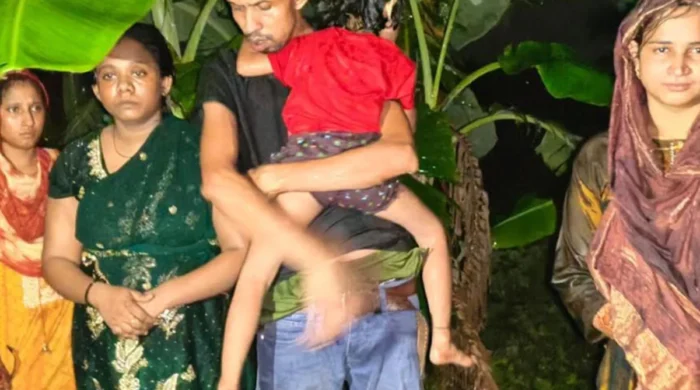
The experiences of several people who came to the hospital for vaccination also illustrate the trend. Swapna Khatun, a resident of Bottola in Kushtia town, brought her daughter to the hospital after she was bitten by a pet cat. The girl was bitten while playing with the cat, prompting her mother to take her to the hospital. Another town resident, Mohammad Naser Ali, said a cat bit him after he accidentally stepped on it while it was lying on the stairs of his house. The same cat had scratched him previously, for which he had also needed vaccination.
Hospital officials said demand for vaccines has recently reached such a level that as many as 563 doses have been administered in a single day. At present, an average of 200–250 doses is being administered every day. This is placing additional pressure on the government healthcare system for rabies prevention.
Dr Iqbal Hasan again asserts when pet cats or dogs go outdoors or come into contact with other animals, their scratches or bites may create a risk of rabies transmission. It is important to vaccinate pets regularly and control their movement.” He also stressed the importance of taking rabies vaccines according to medical advice rather than receiving repeated vaccinations unnecessarily.
Rabies is primarily a viral disease transmitted from animals to humans. When the saliva of an infected animal enters the human body through a bite or scratch, there is a risk of infection. Vaccination and controlled movement are particularly important for animals such as dogs and cats that remain in close contact with people. After an animal bite or scratch, the wound should be cleaned promptly, and rabies vaccination should be taken as advised by a doctor when necessary.
Shahabuddin Milon, vice-president of the Bangladesh Biodiversity Conservation Federation (BBCF), said, “Caution is essential when keeping animals. Alongside proper care and vaccination of animals, public awareness must also be ensured. If any animal scratches or bites someone, the person should be taken promptly to the nearest hospital or health centre to ensure the necessary treatment.”
Kushtia Civil Surgeon Dr Sheikh Mohammad Kamal Hossain when talked to The Daily Sun also stressed the importance of public awareness. He said, “Before bringing a cat, dog or any other animal into the home, its vaccination must be ensured. At the same time, care must be taken to prevent the pet from coming into contact with other animals outside.”
He also said there is currently no shortage of rabies vaccines at Kushtia General Hospital or health centres at the upazila level.