

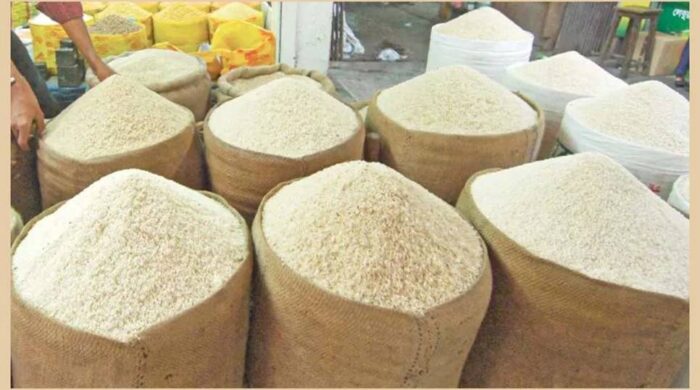


The prices of Miniket brand have come under fresh upward pressure in Kushtia. Mill owners and retailers have attributed the rise to higher transport costs and changing market conditions.
According to market sources, over the past 20 days, prices of various rice varieties have fluctuated repeatedly at Khajannagar, one of the country’s major rice-producing hubs, and in Kushtia town’s retail markets. Despite administrative efforts to contain prices, the market has again started showing an upward trend.
A review of the market shows that on September 17, prices of various types of rice at the Khajannagar wholesale market increased by Tk 2–3 per kilogram, while retail prices rose by Tk 4–5. The increase highlighted price pressure at both the wholesale and retail levels.
To contain the situation, the Kushtia district administration held a meeting with rice millers in Khajannagar toward the end of September. The meeting decided to reduce the mill-gate prices of all types of rice by Tk 1 per kilogram. Millers also assured the administration that rice prices would not be increased for the following two weeks.
However, significant increases had already occurred at both the mill-gate and retail levels. According to data from the Khajannagar mill-gate market, the price of Miniket rice rose from Tk 68 per kilogram to Tk 70 and then Tk 72 within just four days. During the same period, the retail price of the rice in Kushtia municipal market rose to around Tk 74 per kilogram.
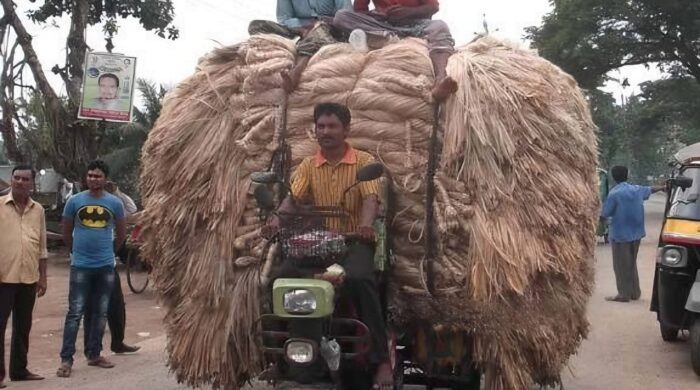
The increase in fuel prices on October 3 subsequently began to affect rice transportation costs. According to traders, the higher transport costs have put additional pressure on the wholesale prices of rice entering the market, creating a fresh impetus for price increases.
Most recently, traders said retail prices of various types of rice increased by another Tk 1–2 per kilogram on October 8. They attributed the latest increase mainly to higher transport costs, which have raised both procurement and marketing expenses. The additional costs are ultimately being reflected in retail prices.
An analysis of market trends from mid-September through the first week of October shows that although administrative intervention temporarily brought prices under control, market stability did not last. Prices have changed at every stage—from the mill gate to wholesale markets and then to retail outlets. The additional pressure from rising transport costs has once again raised concerns over market stability.
According to traders and market observers, regular monitoring of paddy supply, mill-gate prices, wholesale prices, transport costs and retail prices is necessary to maintain stability in the rice market. In particular, unless the price differences and changes from the production hub to retail markets are regularly monitored and their causes identified, the market could once again come under upward price pressure.
A senior executive of an auto rice mill, requesting anonymity, said, “There is currently pressure on all fronts, including paddy prices, fuel and transportation costs. When production costs rise due to higher prices of paddy, labour, electricity, packaging and transportation, it becomes difficult to supply rice at the previous price. Mill-gate prices therefore have to be adjusted in line with market conditions.”
Abdur Khalek, managing director of Desh Agro Limited, said rice passes through several stages before reaching retail markets from the mills. “The recent rise in transportation costs is having an impact on both wholesale and retail markets,” he said.
He noted that transport costs alone should not be considered the sole reason for higher rice prices. “The market price of paddy, production costs and the supply situation are also important factors,” he said.
Regular monitoring of price information at the miller, wholesaler and retailer levels is necessary to maintain stability in the market, he added.