



In many democratic states, parliament is not simply a place for enacting laws; it is the principal forum where people’s hopes, aspirations, problems, and concerns are expressed. In particular, one of the key responsibilities of the opposition is to ensure accountability of the government and to raise the real issues of public life in parliament. Yet when issues such as rising commodity prices, economic stagnation, unemployment crises, shortages of foreign investment, reports of sexual violence in madrasas, and general public hardship are widely discussed in society, a natural question arises: why is the opposition not sufficiently vocal about these matters in parliament?
In seeking an answer, it must first be acknowledged that criticism of the opposition’s role is not new. At times, it is observed that even when opposition parties are present in parliament, they spend more time on comparatively less significant issues instead of focusing on fundamental public concerns. This creates a perception among citizens that political parties prioritize partisan interests over real-life problems.
In the current context, one of the greatest concerns for ordinary people is the rising cost of living. Food items, essential commodities, housing rent, healthcare, and education expenses are all placing increasing pressure on families. The public expects the opposition to raise these issues with data, challenge government policies, and propose alternative solutions. Failure to do so naturally leads to disappointment among sections of the population.
However, there is another dimension to this issue. Opposition parties sometimes believe that their voices do not receive sufficient attention or have meaningful impact within parliament. As a result, they may prefer street movements, press conferences, or public rallies as more effective political tools. While this may be a strategic choice, it raises an important question: does bypassing parliament strengthen or weaken democratic processes?
Economic issues are also central. In recent years, alongside growth, Bangladesh has faced challenges such as inflation, reserve pressure, banking sector weaknesses, debt management concerns, and investment slowdowns. Without strong foreign investment, employment and industrialization may suffer. These matters require detailed, evidence-based parliamentary debate.
At the same time, it would be simplistic to assume that limited engagement automatically means intentional neglect. It may reflect priorities, institutional limitations, or lack of adequate research capacity.
Ultimately, democracy requires not only a strong government but also a responsible, active, and evidence-based opposition.
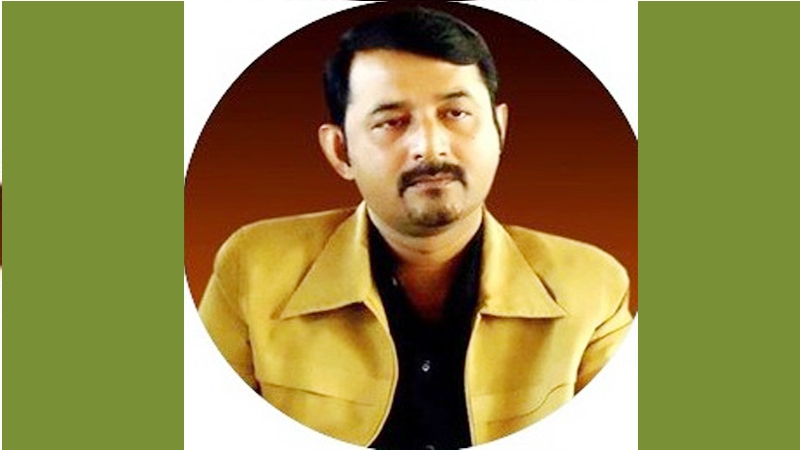
Dr. Amanur Aman, Editor, Publisher, the Dainik Kushtia and The Kushtia Times.