
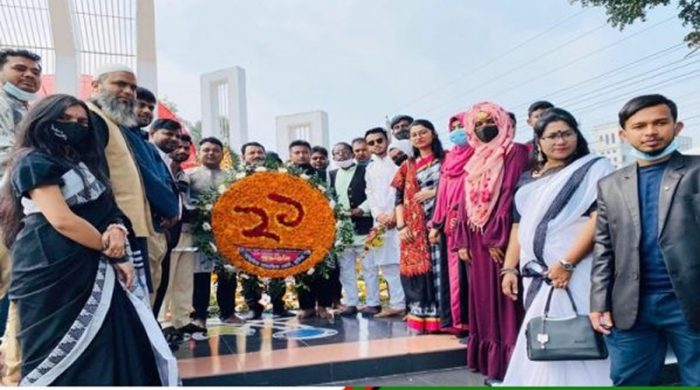


Today is Amar Ekushey— a day woven with both grief and pride in the heart of the Bengali nation. After the partition of 1947, the ruling elite of Pakistan declared Urdu as the sole state language, disregarding the language, culture, and identity of the Bengali majority. In protest, the Language Movement emerged, culminating on February 21, 1952, when Salam, Barkat, Rafiq, Jabbar, Shafiur, and others were martyred. Their sacrifice transformed the demand for linguistic rights into a foundation of national dignity and political consciousness.
The spirit of the Language Movement later inspired the Mass Uprising of 1969, the historic 1970 election, and ultimately the Liberation War of 1971, paving the way for independence. Thus, Ekushey is not only about language—it marks the sowing of the seeds of nationhood and freedom.
In 1999, UNESCO declared February 21 as International Mother Language Day, giving global recognition to the sacrifice of the Bengali people. Since then, Ekushey has stood as a worldwide symbol of linguistic diversity and cultural rights.
In today’s digital age, the spirit of Ekushey carries renewed significance. Strengthening the position of the Bangla language in education, research, technology, and administration is the true tribute to the martyrs. Amar Ekushey teaches us that safeguarding our language means safeguarding our dignity and building a humane and just society.